
Homepage › Pathologies › Cervical Osteoarthritis
Cervical Osteoarthritis
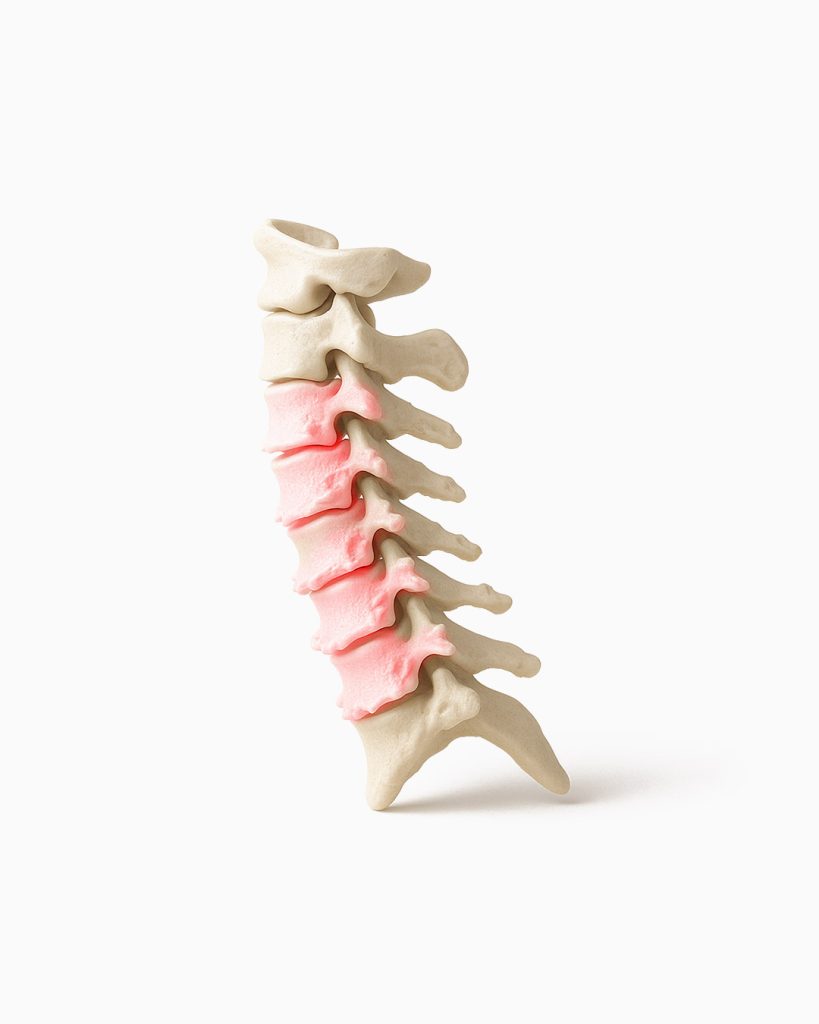
Degenerated spine
Cervical discarthrosis is a progressive wear and tear of the cervical joints, cartilage, and intervertebral discs. Over time, osteophytes, "bone spurs," develop, and the joints lose mobility, resulting in pain or stiffness.
It is a common condition, mainly in the cervical (neck) and lumbar (lower back) regions, and can result from natural wear and tear, trauma, or repetitive strain.
Diagnosis is based on clinical history (complaints of pain, stiffness, limited movement), physical examination (neck mobilization, reflexes, muscle strength), and imaging: plain radiographs, magnetic resonance imaging, and computed tomography. The different tests provide distinct information and are of particular interest in each situation.
Neck pain, which may radiate to the shoulders or arms.
Stiffness or difficulty turning the head
Tingling, numbness, or weakness in the arms
Clicking or popping sounds when moving the neck.
Headaches of cervical origin
- Ergonomic changes (work, cervical support)
Injections for persistent pain
Radiofrequency ablation ↗︎: In selected cases, to relieve chronic pain caused by facet joints.
Minimally invasive surgery↗︎(or cervical arthrodesis in severe cases): with nerve compression or instability
Complementary therapies ↗︎: Acupuncture, therapeutic Pilates, meditation, for pain management and well-being.
Natural aging (progressive wear and tear)
Poor posture (e.g., tilting the head forward, prolonged use of electronic devices such as PCs and mobile phones)
Repetitive overload or sudden movements
Previous injuries or microtraumas
Genetic factors and individual predisposition
Can cervical osteoarthritis regress?
Not completely, but symptoms can improve significantly with proper treatment, reducing pain and inflammation and improving function.
Is wearing a neck brace a good idea?
It may provide temporary relief, but prolonged use can weaken muscles; it should be used under medical or physiotherapy guidance.
Use ice or heat?
Ice to reduce initial inflammation; heat to relax muscles and relieve stiffness.
Are intense exercises allowed?
They should be personalized; excessive effort or movements that cause pain should be avoided.